

The doctor hadn't listened to her. She'd waited too long, and the baby had died inside her before being born. When they told me about the son my grandmother had given birth to, who was stillborn, I better understood how much suffering and injustice there had been in those years.
Tag: blog
A Family Memoir in Progress — Episode 8: Isabella’s Dad

A shell fragment took away part of his skull and doctors gave him six years to live—he lived eighty-four with a steel plate in his head, carrying inside war stories he told only once, under a pergola in Abruzzo, when he finally found the courage to open doors that had stayed closed for decades.
A Family Memoir in Progress — Episode 7: The First One To Arrive, I’ll Marry

Pina Di Ciaccio had survived a minefield, Nazi soldiers, and years of hunger, but at thirty-two she faced a different kind of battle: marriage not for love, but to avoid living "under the sister-in-law."
A Family Memoir in Progress — Episode 6: Pina, the Land and the War
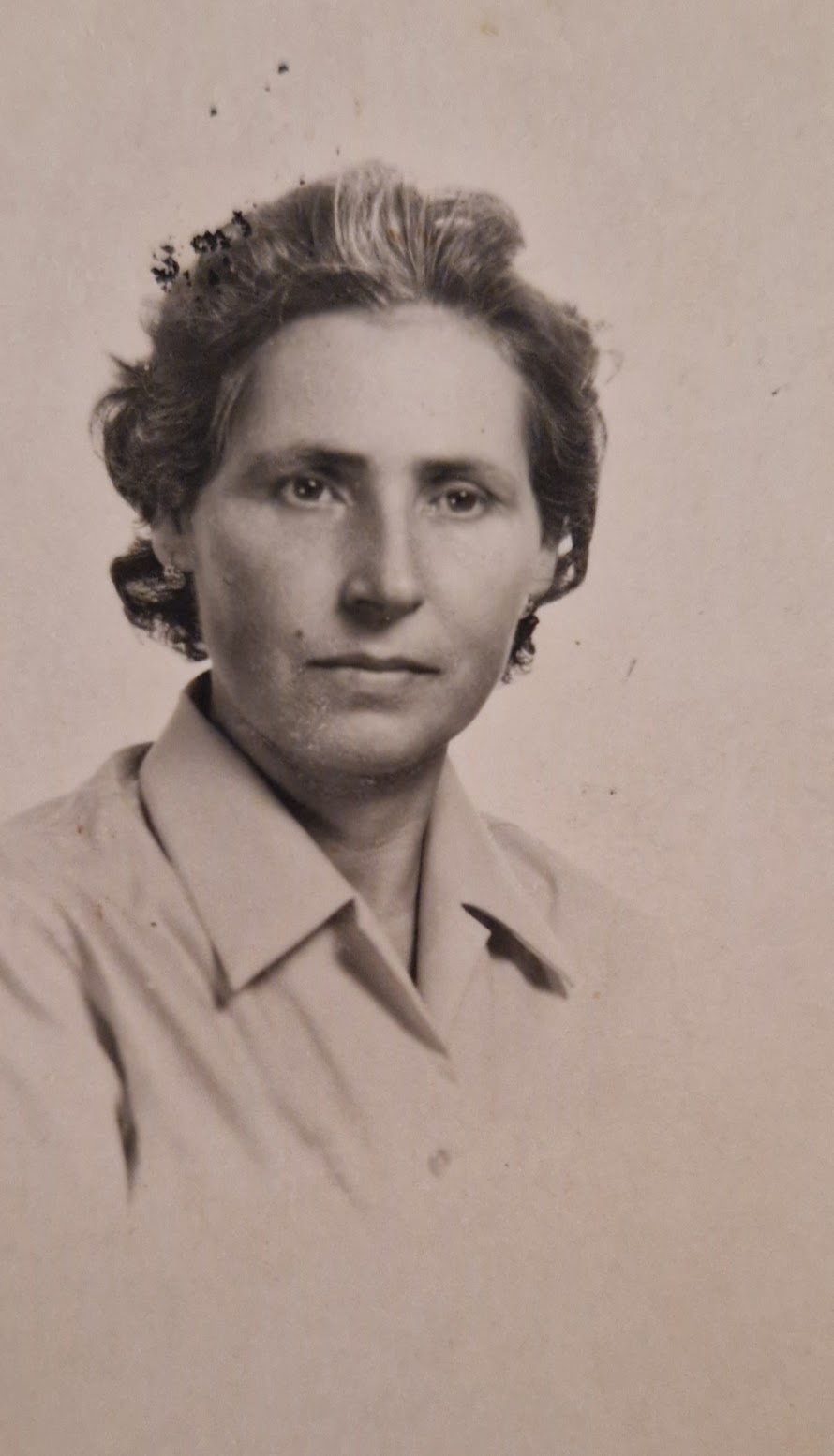
After Armando's story, it's time for his wife, my grandmother Pina. From a harsh childhood of labor, to a youth that could have ended in illness, or with that Nazi pistol pointed at her heart. Or in the minefield she crossed alone.
A Family Memoir in Progress — Episode 5: Armando’s War
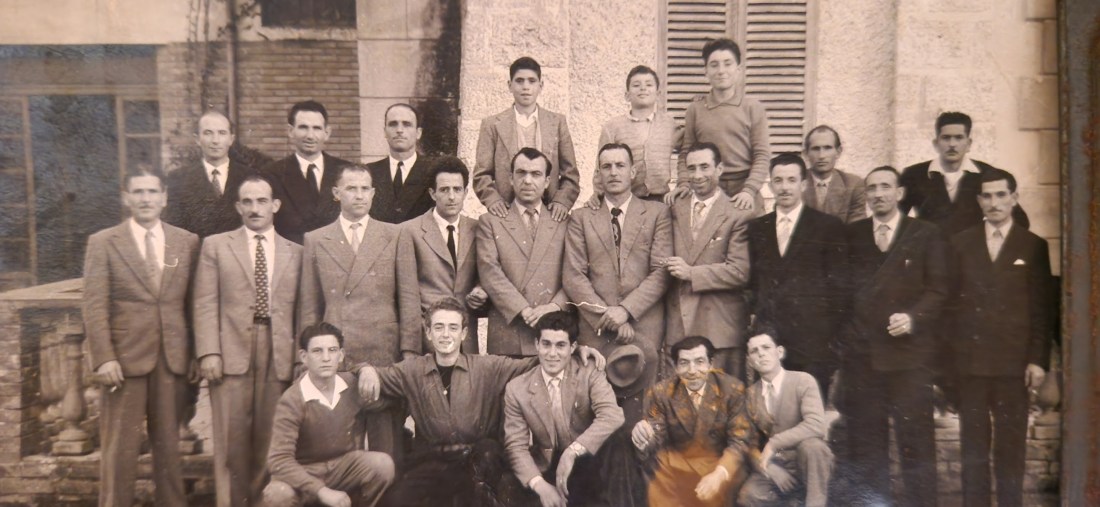
He faced the firing squad three times and never renounced a thing.
A Family Memoir in Progress — Episode 4: Armando’s roots

To truly understand who we are, sometimes we have to go back. Not to our memories, but to those of those who brought us into the world. Because our parents weren't born fully formed, ready to raise children. They were children too. They had fears, hunger, hopes. They saw things they never fully told us. Here's the first part of Grandpa Armando's origins.
A Family Memoir in Progress — Episode 3: Isabella’s Childhood

Backcanes and fear stole Isabella's voice. In Gaeta, she found it again with a single word: yes, to a boy at a dance.
A Family Memoir in Progress — Episode 2: Osvaldo’s Childhood Adventures
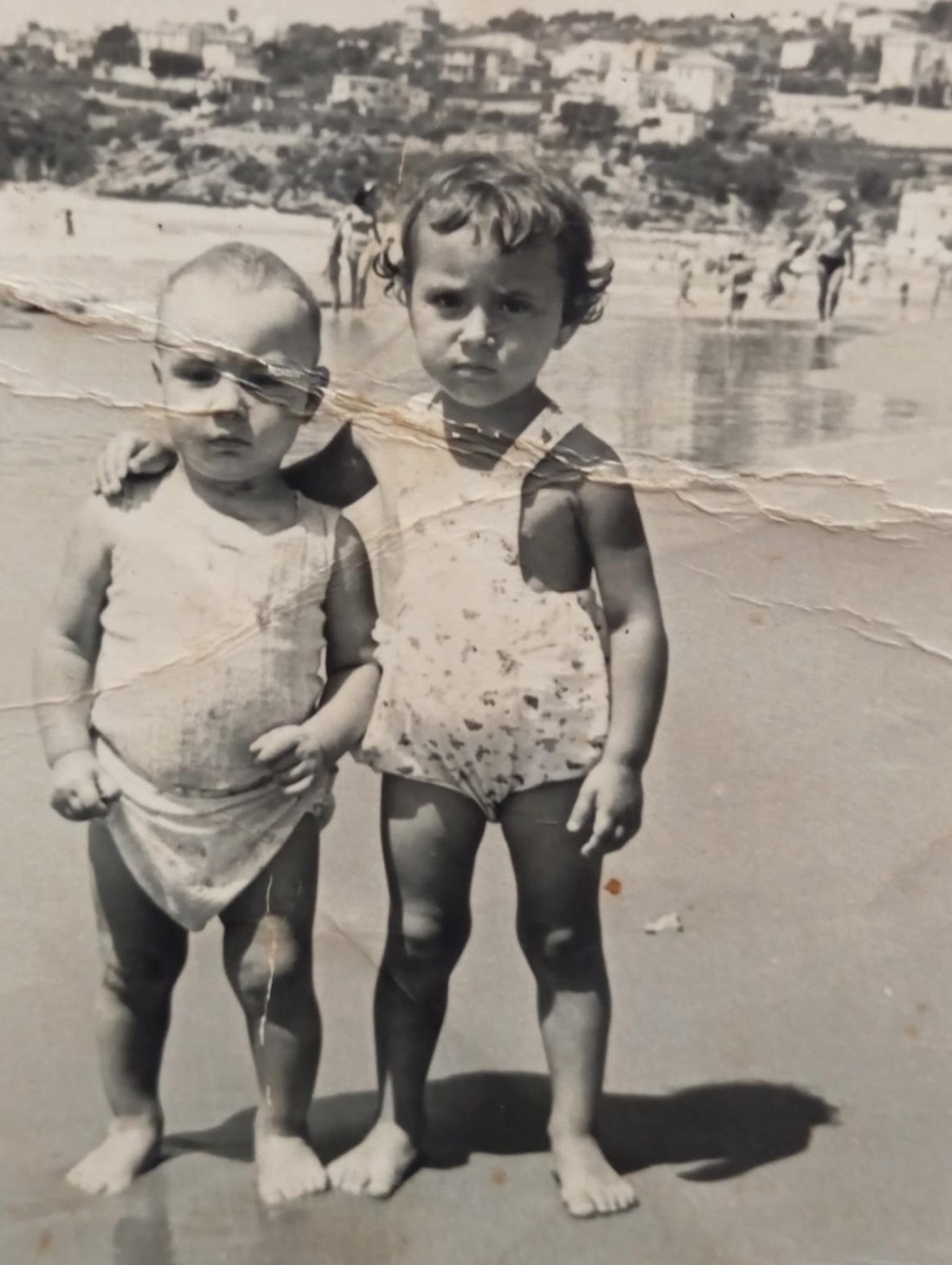
Young Osvaldo was a reckless force of nature who tested every boundary—swimming in freezing March waters at three, stealing coins from a sacred cliff above a deadly precipice, breaking everything he touched, and learning hard lessons through his mother's words rather than her fists. These wild childhood years in 1950s-60s Gaeta revealed a boy with two sides: the devil who caused chaos outside and the jester who made his family laugh at dinner, until shame and consequence began transforming him from demon to lamb.
 EYES TO SEE